During this dry season, nearly all regions across Indonesia are on alert for forest and land fires (karhutla). This situation requires serious attention from all parties, especially local governments and their respective agencies, along with stronger and more cohesive coordination.
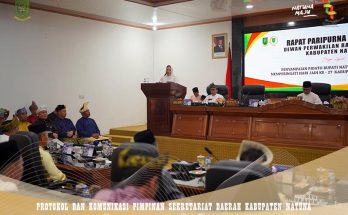
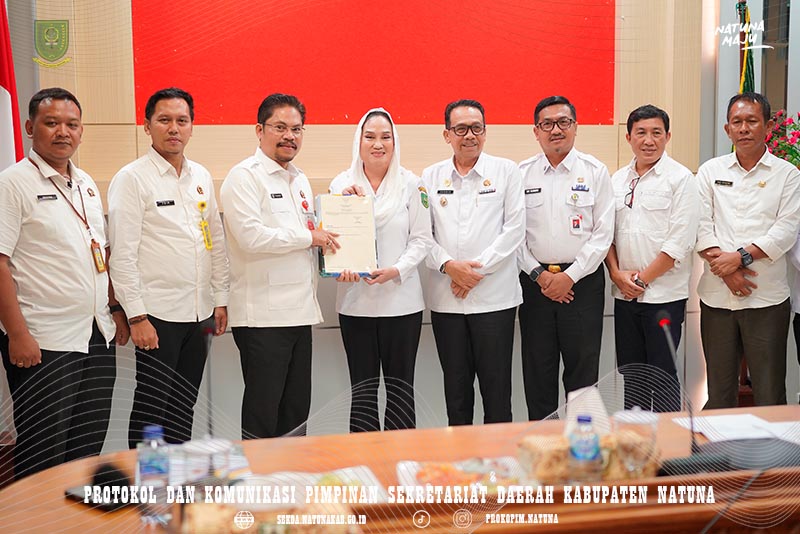
This was emphasized by Natuna Regent, Cen Sui Lan, in her opening remarks while chairing the 2026 Disaster Emergency Preparedness Evaluation Meeting, held at the Natuna Regent’s Office on Jalan Batu Sisir Bukit Arai, Bunguran Timur District, on Wednesday morning (April 15).
Also present at the meeting were the Deputy Regent of Natuna, the Regional Secretary, the Head of the Regional Disaster Management Agency (BPBD), the Head of the Social Affairs Office, and representatives from several related regional agencies.
Cen Sui Lan further stated that ongoing efforts in handling forest and land fires, as well as the current emergency alert status, must continue to be strengthened. This is crucial to ensure more effective prevention measures in the future and to minimize negative impacts on both the environment and affected communities.
At the same event, the Head of BPBD Natuna, Raja Darmika, delivered a detailed presentation on the latest conditions of forest and land fire management in the region.
He reported that from January to April 2026, Natuna recorded 79 fire incidents, with a total affected area of approximately 539.16 hectares.
According to data from the Meteorology, Climatology, and Geophysics Agency (BMKG), contributing factors include the El Niño phenomenon, prolonged hot weather with minimal rainfall, and dry land conditions that are highly susceptible to fire.
Raja Darmika also explained that an emergency response status had been in effect from March 26 to April 1, 2026, followed by an emergency alert status from April 2 to April 30, 2026.
The meeting also reviewed the latest evaluation of fire management efforts. Overall, several positive outcomes were noted, including a decrease in hotspot occurrences, no significant haze impact on communities, and effective cross-sector coordination during the response period.
However, a number of challenges remain, particularly limited access to fire locations in deep forest areas, as well as inadequate supporting facilities and infrastructure for firefighting and prevention efforts.
In terms of recommendations, the meeting agreed on several strategic steps across short-, medium-, and long-term timelines. In the short term, efforts will focus on intensifying patrols and early detection, as well as strengthening inter-agency coordination.
For the medium term, priorities include enhancing community capacity and reinforcing early warning systems. Meanwhile, long-term strategies will emphasize promoting zero-burning land management, restoring fire-prone areas, and integrating technology-based hotspot data to improve the overall effectiveness of fire management. (Pro_kopimnatuna/S)
RILIS PERS, Number : 0634/PRO_KOPIM/2025